Swiss universities are often described as among the most respected in Europe, and for good reason. They combine strong public support, international openness, and a clear focus on quality. Rather than competing on size, they emphasize depth, collaboration, and long-term impact. Innovation in Switzerland tends to grow organically, through close interaction between universities, industry, and society.
In September/October 2025, I had the opportunity to visit three Swiss universities: École Polytechnique Fédérale de Lausanne (EPFL), University of Bern, and the University of Liechtenstein. I was kindly hosted by SEEU alumni and colleagues currently pursuing PhD and Master’s degrees, making these visits both professionally and personally meaningful.
EPFL Lausanne – Engineering, Openness and Global Reach
EPFL is one of Europe’s leading technical universities, consistently ranked among the top institutions worldwide in engineering, computer science, and natural sciences. It hosts students and researchers from over 120 countries and maintains strong links with industry, startups, and international research centers.
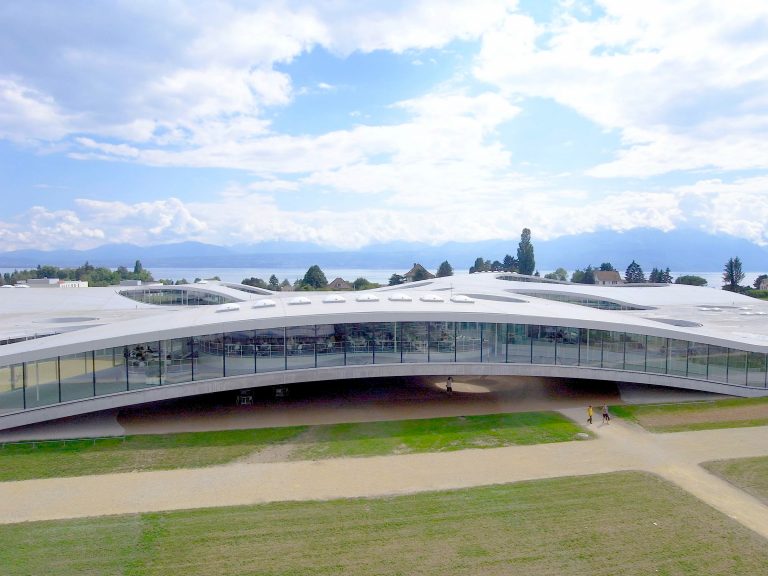
During my visit, I explored the Rolex Learning Center, a space designed to encourage learning beyond formal classrooms, open, accessible, and interdisciplinary by nature. I also visited the SwissTech Convention Center, which reflects EPFL’s strong engagement with industry, innovation events, and technology transfer. A meeting at EPFL’s central administration provided insight into how such a large and diverse institution manages research excellence while remaining agile and internationally oriented. EPFL leaves the impression of a university where innovation is carefully supported, yet allowed to grow freely.
EPFL also offers several top-tier Master’s programs in Computer Science, Cyber Security, and Data Science, which continue to attract students from all over the world. These programs combine strong theoretical foundations with hands-on research and close links to industry.
EPFL has had a strong influence on my academic development over the years. From the early stages of my career (PhD and Postdoc), I have closely followed the work of many researchers at EPFL, particularly in the areas of Distributed Systems and Computer Networks. The research contributions of professors such as Prof. Karl Aberer, Prof. Rachid Guerraoui, and Prof. Katerina Argyraki have been especially influential, and I continue to regularly read and learn from their work.
University of Bern – Tradition Grounded in Research Excellence
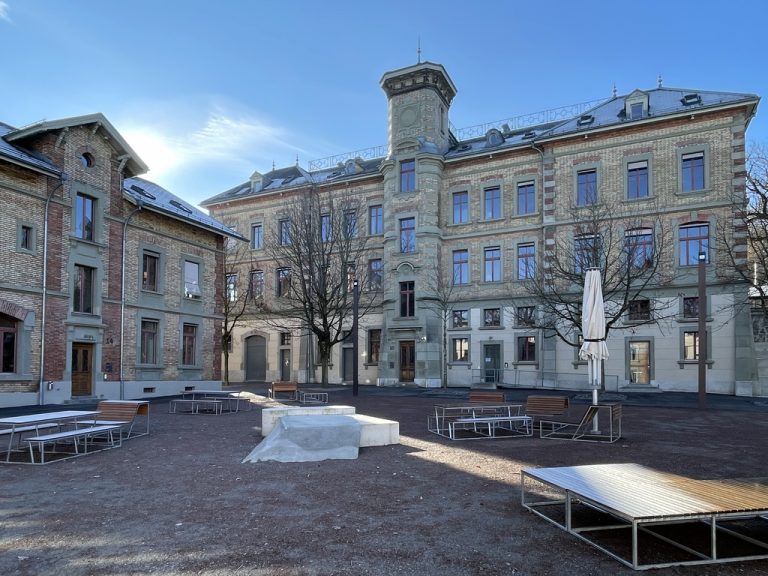
Founded in 1834, the University of Bern is a comprehensive public university with a long academic tradition. It is particularly known for its strengths in space research, climate science, biomedical research, and sustainability-related fields.
My visit focused on the Faculty of Science (Institute of Computer Science), where research combines solid theoretical foundations with modern, data-driven approaches. What stands out in Bern is the emphasis on continuity and reliability in research, long-term projects, stable research groups, and a strong culture of academic independence. The university offers a welcoming environment for international researchers while maintaining a strong connection to Swiss society and public institutions, including close ties to federal research bodies.
University of Liechtenstein – Where Focus Meets Applied Research
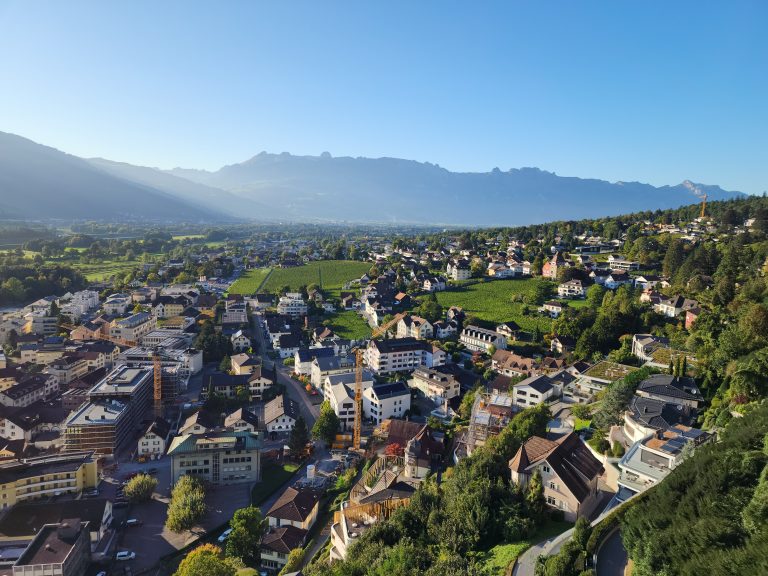
The University of Liechtenstein is a small, highly specialized public university with a clear focus on architecture, business, and information systems. Its size allows for close interaction between students, researchers, and faculty, creating a very personal academic environment.
During my visit, I met an SEEU alumni PhD student working on Data and Application Security, an area well aligned with the university’s strengths in applied research and digital systems. Despite its scale, the university is strongly international and collaborates closely with institutions across Switzerland, Austria, and Germany. Set in a, extremely beautiful natural landscape, the University of Liechtenstein shows how high-quality research and teaching do not require large campuses, but rather clarity of focus and strong academic culture.
Lessons Learned: Observations on How Swiss Universities Are Managed
Swiss universities show that sustainable excellence comes from aligning innovation, practical education, and thoughtful curriculum planning within a well-structured yet flexible institutional framework. This model creates environments where research, teaching, and real-world impact naturally reinforce one another, a valuable lesson for higher education systems beyond Switzerland.
A key takeaway from visiting EPFL, the University of Bern, and the University of Liechtenstein is the clarity of purpose in how these institutions are managed. While different in size and structure, all three place innovation at the heart of their academic and organizational models, not as a slogan, but as a daily practice.
- Innovation is treated as a system-level priority
Across the universities, innovation is embedded into research structures, teaching methods, and administrative processes. There is strong institutional support for experimental ideas, interdisciplinary collaboration, and long-term research agendas. Importantly, innovation is not disconnected from reality, it is consistently linked to societal challenges and industrial relevance. - Strong emphasis on practical and project-based work
Another common observation is the central role of hands-on projects. Students are encouraged early on to work on real problems, often in collaboration with industry, public institutions, or research labs. This approach not only strengthens technical skills but also builds confidence, independence, and problem-solving capacity. - Carefully planned curricula aligned with market needs
Curriculum design appears to be both deliberate and dynamic. Programs are regularly updated to reflect developments in technology, science, and the labor market. Fields such as computer science, data science, cybersecurity, and applied systems research are clearly shaped by ongoing dialogue with industry and research stakeholders, ensuring graduates are well prepared for current and future demands.Credits and Acknowledgements:
I would like to sincerely thank my students and SEEU alumni who kindly hosted me during these visits and made the experience both welcoming and insightful. My special thanks go to Advije Rizvani (University of Liechtenstein, PhD candidate), Alba Adili (University of Bern, master student), Era Aliu (EPFL, master student). Their hospitality and willingness to share their academic experiences added great value to each visit and made this journey especially memorable.
Looking Ahead
I am planning to visit the University of Neuchâtel, University of Fribourg, and the University of Geneva in 2026, continuing my exploration of Switzerland’s diverse and high-quality university landscape.